
This tender flaky lard pie crust recipe is straight from my great grandma’s recipe box. It practically melts in your mouth.
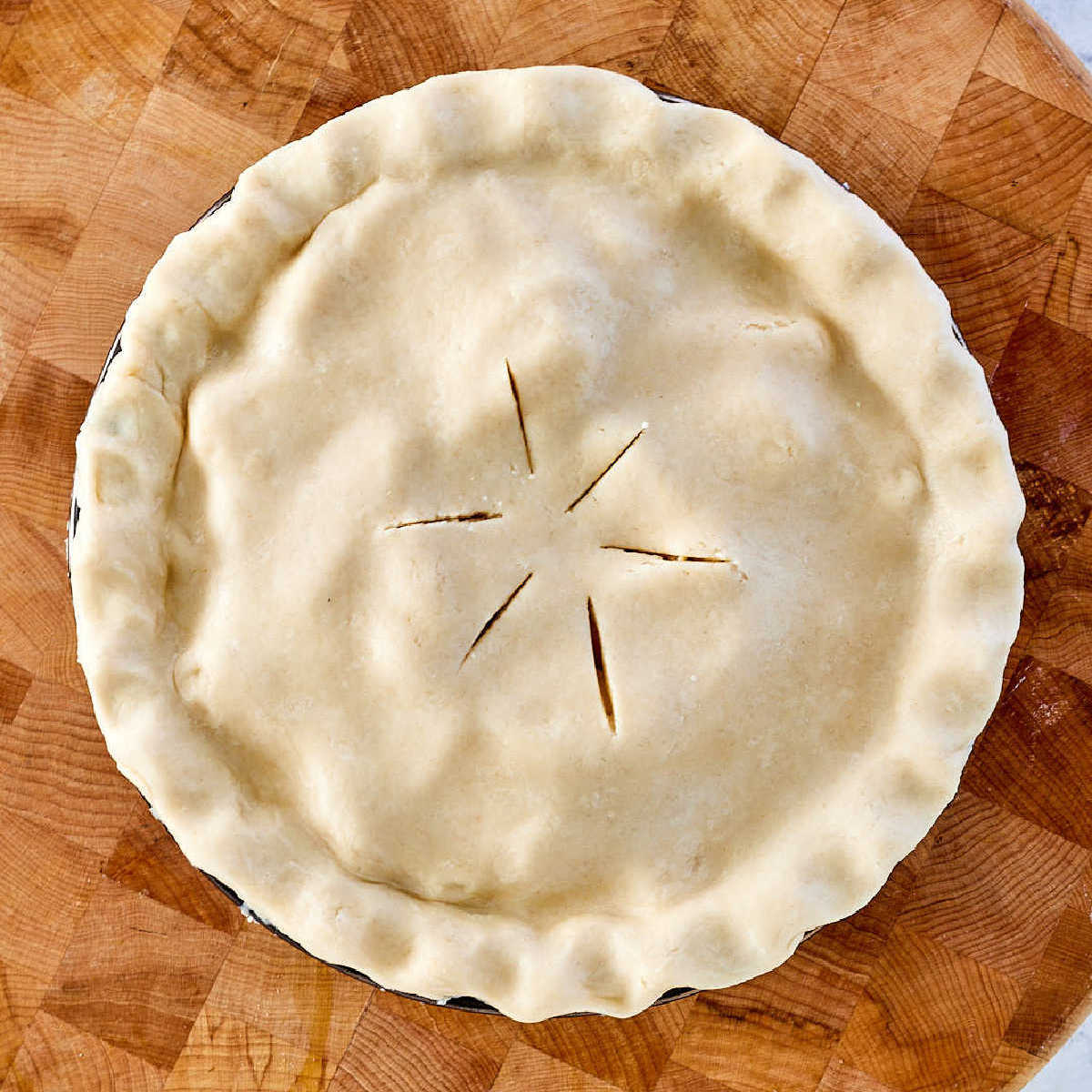
If the perfect pie crust is on your baking bucket list, you have to give this recipe a try. After a long search, we finally have my great grandma’s recipe for the pie crust she was so famous for.
Luckily we are all the beneficiaries of her decades of experience. Please give it a try for yourself.
Is there a certain food that instantly makes you think of your grandmother? For my mom, that food is pie.
Her dad’s mother lived in rural Indiana. So visiting was always such a treat for her and her Chicago suburbanite siblings.
My mom has tried so many pie crusts over the years trying to find one that rivals hers. She has stumbled upon some good ones like her flaky pie crust and even a chocolate pie crust.

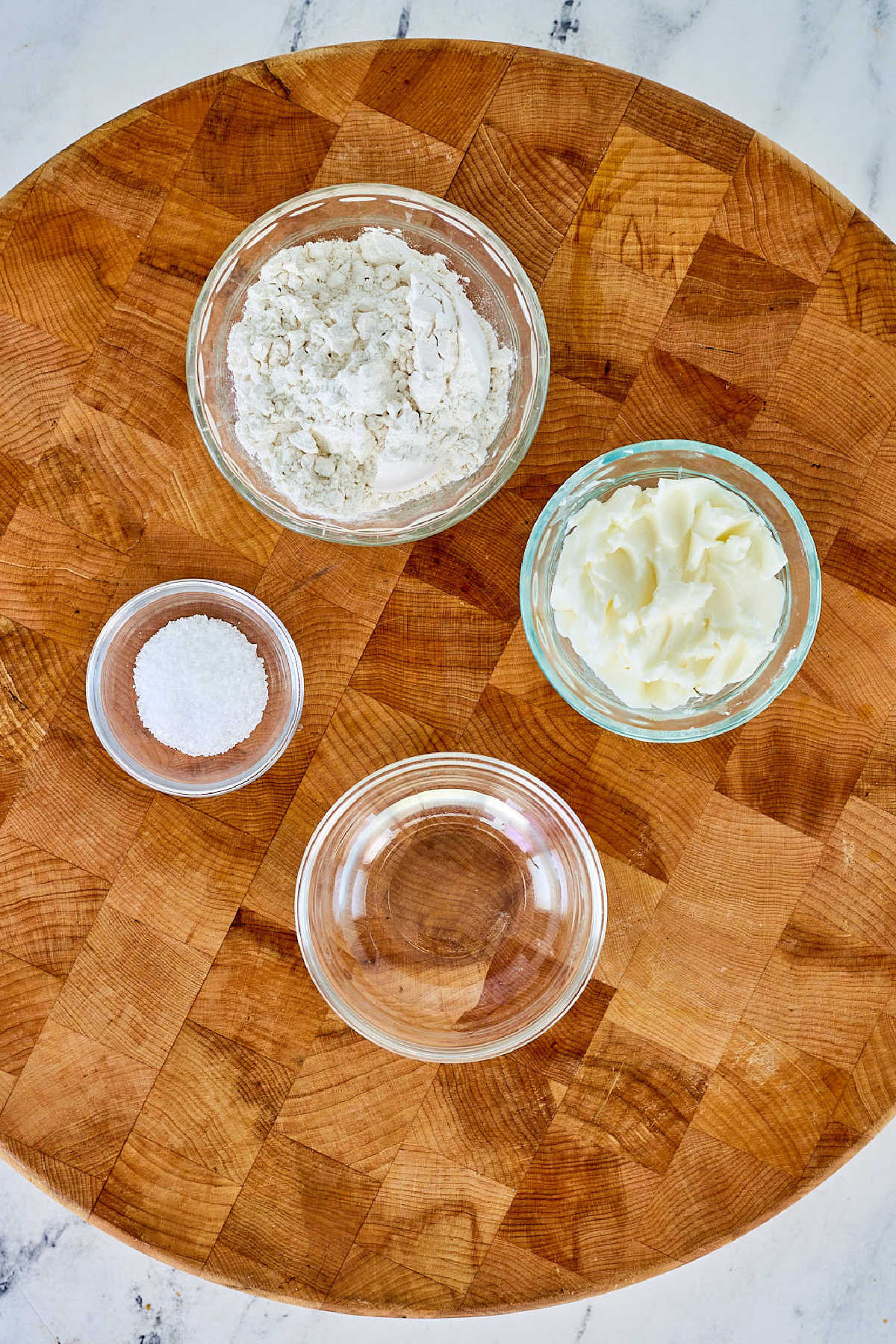
Even though they were absolutely great, they just weren’t grandma’s pie crust. Then finally she got the recipe from her cousin.
We finally had it! So you think there would be instant pie, right?
Not quite.
Good Lard Makes All of the Difference
The key to a great pie crust is using good ingredients. There are so few things in there, the flavor of each one makes a big difference.
My mom remembers going with her grandma to the butcher to get the lard for her crust. She said “if you don’t have the right lard, it’s not worth making a pie.”
Leaf lard is the most prized lard around. It is super white and sourced from around the kidneys and loins of the pig.

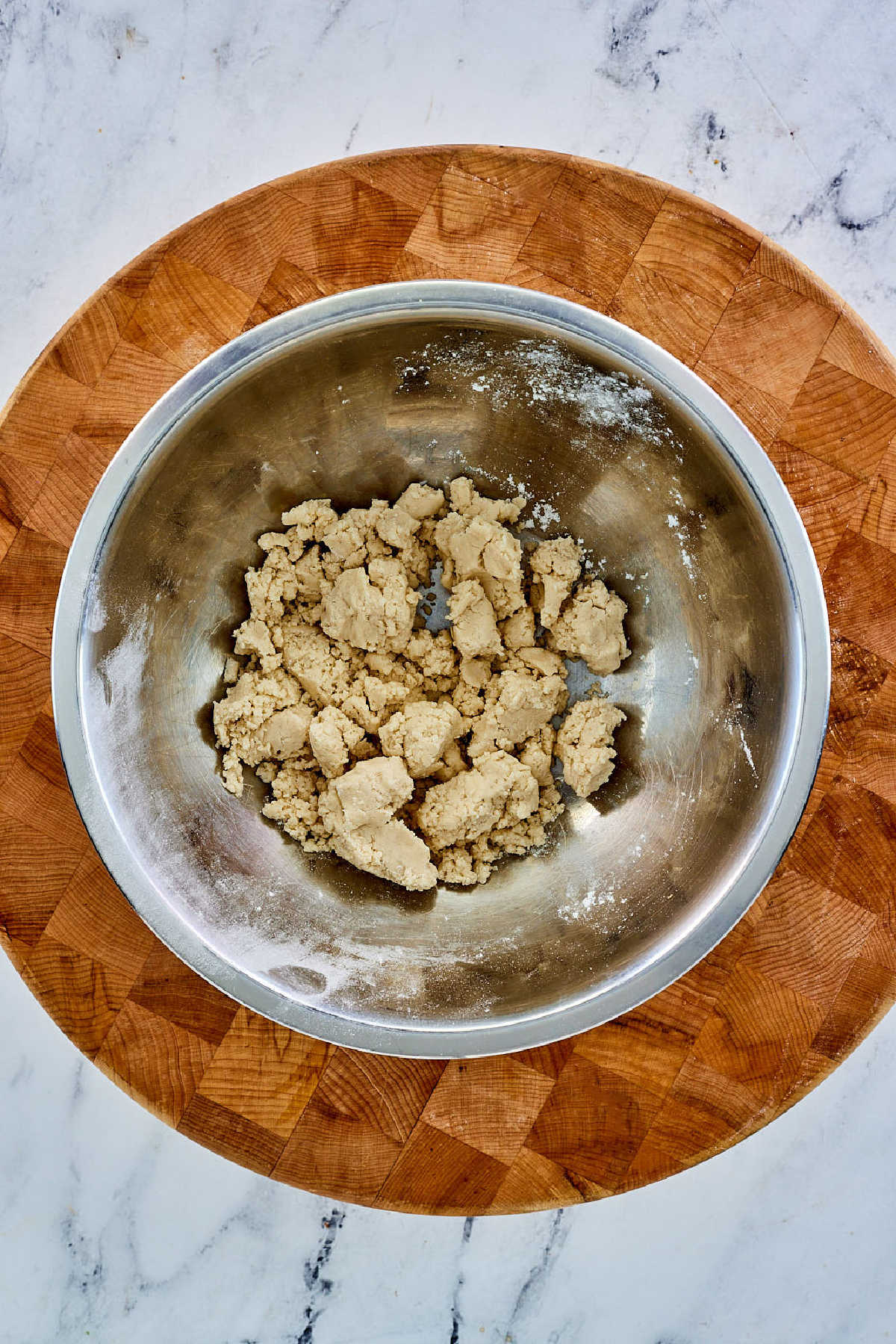
So we waited until we had the good stuff. MiMi rendered leaf lard from pigs they raised on their little homestead farm.
Email Me The Link
It was finally time to make a pie. And it was worth the wait.
Of course you don’t have to render your own. Leaf lard is available, you may just need to put in a little effort to find it.
Good has a clean flavor and makes the flakiest pastry. It is worth going out of your way to find the good stuff.


Lard, Really?
Yes! Lard actually has a lot of advantages over other fats you could use in your pastry.
Lard blends easily, chills nicely and has such a silky feel in your hands as you work with the dough. It creates such perfect flakes in the crust.
It is easier to work with cold than butter and doesn’t melt as quickly. Plus it has less saturated fat and no trans fats unlike shortening.
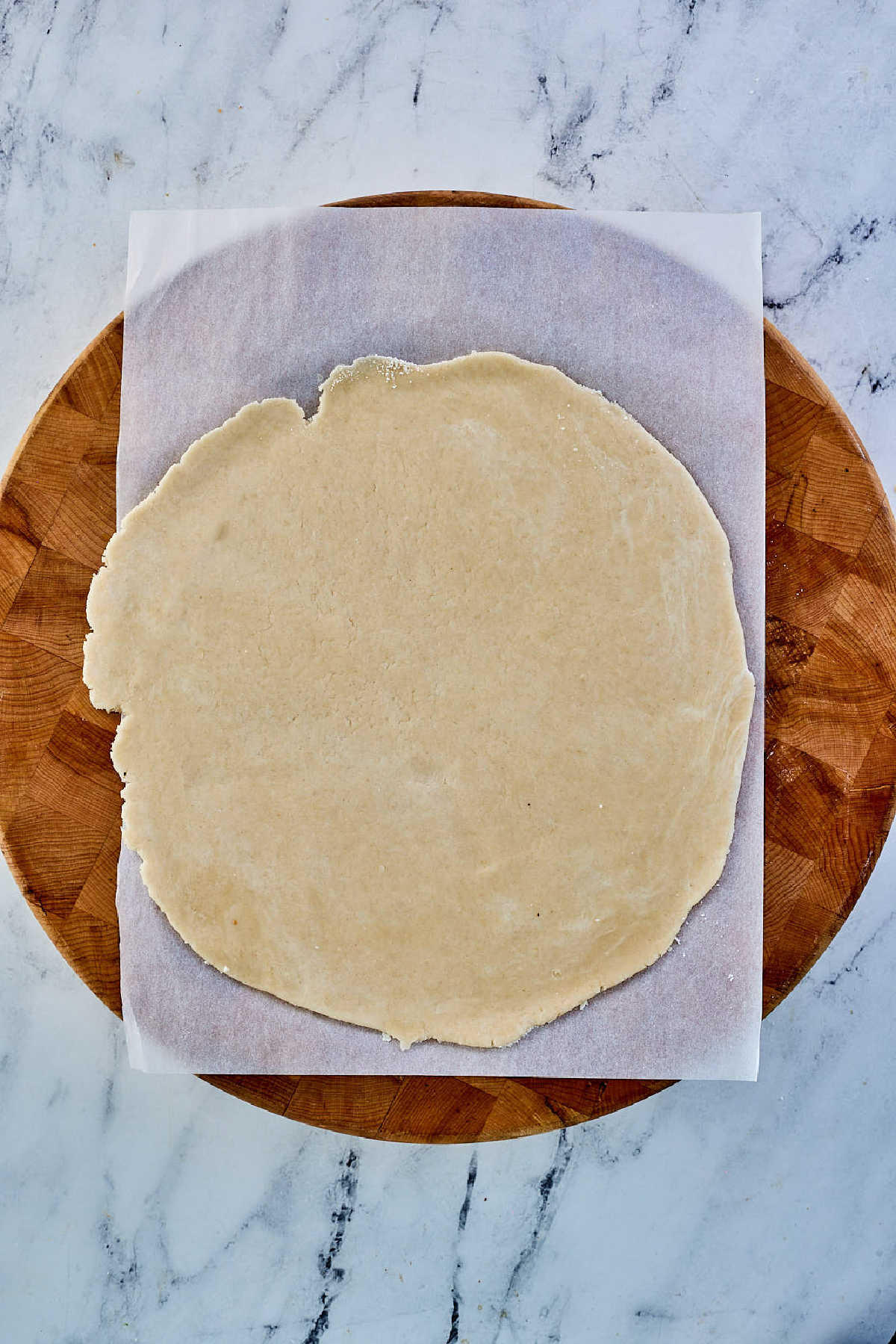
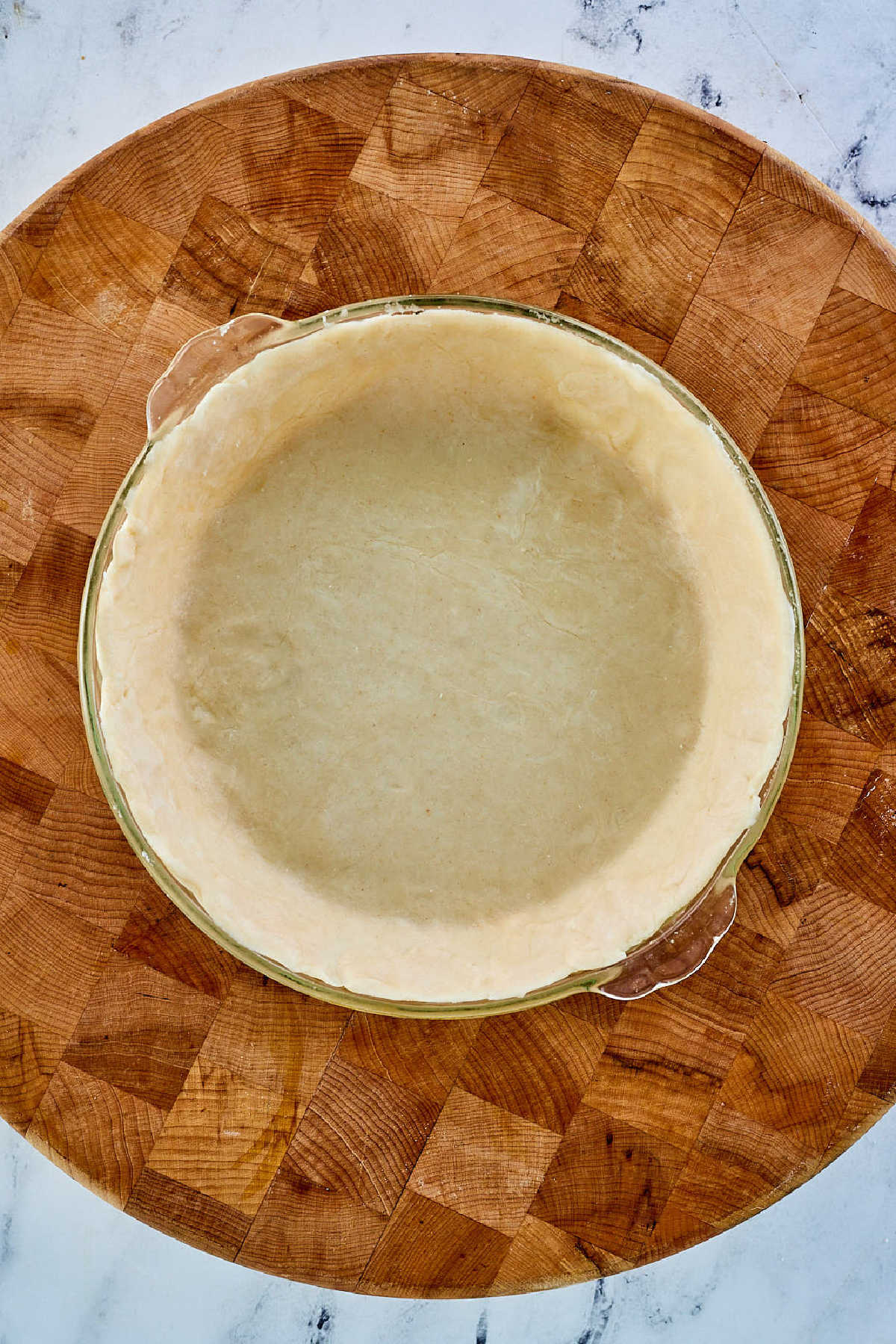
Carlee’s Tips for a Flaky Crust
Getting a flaky crust depends on more than just using lard. Of course there are more tricks you can have in your arsenal.
The first is the temperature of your ingredients. Using cold lard and water will help keep the fat from melting before you are ready.
Chilling the dough before you roll it and again before you bake it also helps. I like to pat it into disks before I chill it.
That makes it chill more evenly and you have a head start on rolling it out vs. chilling it as a ball. Of course working it as little as possible will help as well.

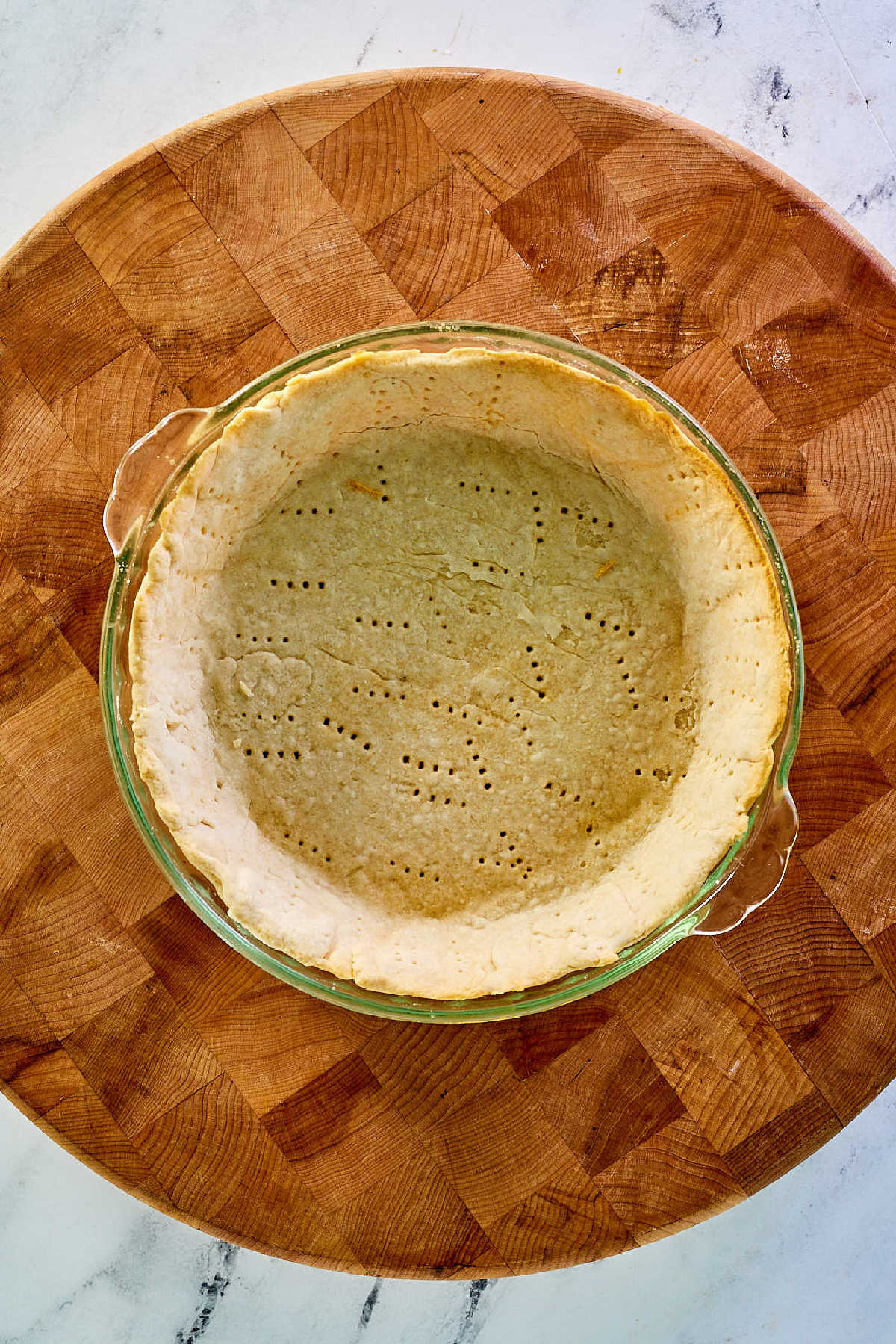
No Soggy Bottoms
The notes on my great grandma’s recipe say to preheat a cookie sheet with the oven. Put the pie pan on the hot sheet pan.
The pan will not only catch any drips, but will also apply even heat across the bottom of the pie. It will help prevent that dreaded soggy bottom.
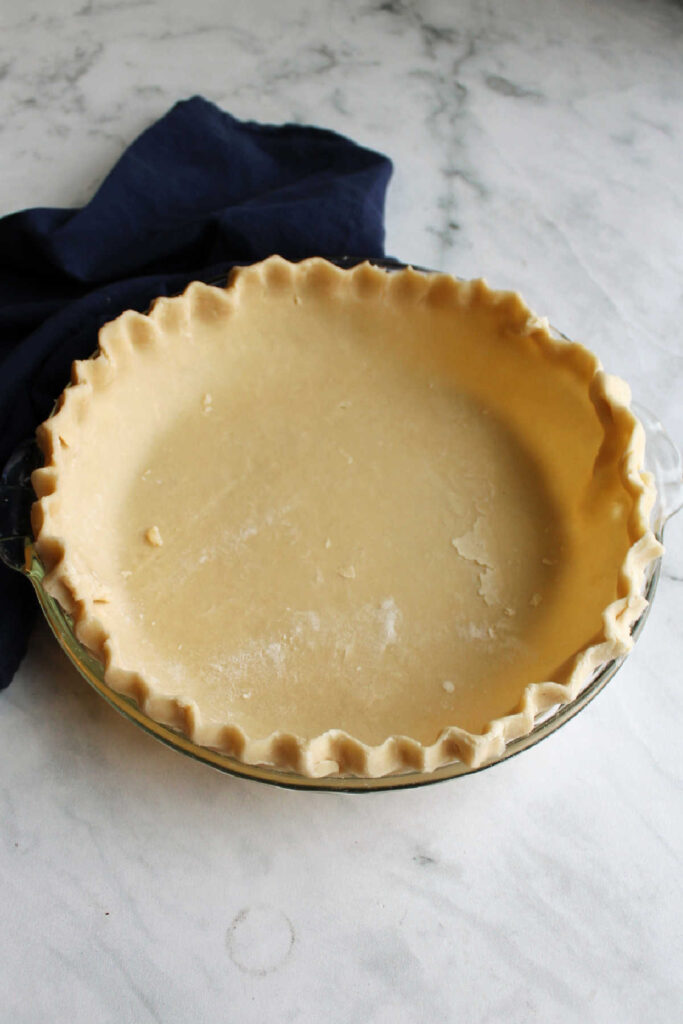
What is the secret to a good pie crust?
There are two secrets that make a super tender crust:
The first is keeping it nice and cold. Start with cold water and lard and refrigerate the crust again before you bake it.
The second is to work the dough as little as possible. Working the dough too much develops the gluten and makes for a tougher crust.
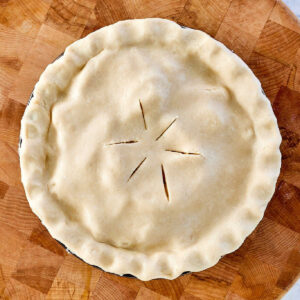
Lard Pie Crust
Equipment
Ingredients
- 1½ cups all purpose flour
- 1 pinch salt
- ½ cup lard leaf lard if possible
- 3 to 4 Tablespoons cold water
Instructions
Making the Dough
- Stir together 1½ cups all purpose flour and 1 pinch salt.
- Cut in ½ cup lard until you have a crumbly mixture.
- Add just enough ice cold water to make it come together into a dough.
- Pat into a flat disk and wrap with plastic wrap. Chill at least a half hour.
- Roll into a thin circle and fit into your pie pan.
- For the flakiest crust, put the crust lined pie plate back in the refrigerator for another 15 minutes. Or go ahead and proceed to bake according to your pie filling's instructions.
Blind Baking the Crust
- To bake the pie shell without fillings, preheat oven to 425°F.
- Prick the crust a few times with a fork, then line with parchment paper or foil and fill with pie weights or dried beans. Bake 12 minutes.
- Carefully remove paper or foil and weights then ake 8 to 10 minutes more for a partially baked crust, or for a fully baked crust 10 to 12 minutes longer until golden brown.
Notes
- This is enough for a single pie crust. Double the recipe for a double crust pie.
- You can make pie crust dough ahead of time if you want. Store the disk of wrapped dough in the refrigerator for up to three days or freeze it up to three months. Defrost frozen dough in the refrigerator overnight before using.
- Using a good quality rendered lard will make for the best pie crust. If it's not by the shortening or butter, you may ask at the meat counter or at a local butcher shop.
Video

Email Me The Link
Did you try this recipe?
Don’t forget to leave a rating below and make sure to follow on Pinterest and Instagram for more!


Get social!
Recipes in your inbox

I have not tried this pie crust recipe yet but am really looking forward to trying it! I can’t wait to try your other recipes. I am 70 years old and have never been able to make my crust look like one of those in your pictures. I have tried every time and end up with fork tined rim. Is there a special way to do this?
I’m not very good at it either. Every once in a while it ends up pretty. Sometimes I get out the fork as well. It’s a pretty simple technique of pinching the crust up around a finger and just doing that over and over again. Sometimes that ends up looking nice for me, other times it all goes wrong. 😉 Either way, it’s delicious. Even if the fork comes out! I hope you enjoy the crust and I hope it cooperates and looks beautiful for you!
Hello
Is this a 2 crust recipe?
Thanks
No, it’s 1 crust. Just hit the 2x button if you want a double crust.
I am an experienced pie maker. This is it. I made the best pie crust I have ever eaten using this recipe. Now, I rendered my own lard to make this, so there is that difference with many who might make this. None the less, this is the recipe that I will be keeping. I will not try another. Thank you and thank you to your Great Grandma.
That makes me so happy, thank you!
I’d like a sweet crust… can sugar be added? Amount?
I haven’t tried it, but I don’t see why you couldn’t add a little bit. It would help with browning too.